Black Serving Institution (BSI) application
Contact Card
Admissions and Records
Admissions@solano.edu
(707)-864-7171
Academic Counseling
Counseling@solano.edu
(707) 864-7101
Student Development + Engagement
studev@solano.edu
(707) 864-7168
Transfer Center
Transfer@solano.edu
(707) 864-7158
Career Center
Careercenter@solano.edu
(707) 864-7124
California Black-Serving Institution (BSI) Designation
About the Legislation
Eligibility for Designation
-
Meet enrollment criteria - have at least 10% of its enrolled student population identify as Black and/or African American or have at least 1,500 Black and/or African American students enrolled.
-
Submit a formal application to the Statewide Central Office for the Advancement of Black Student Success by the application deadline.
SCC's Commitment
Solano Community College Strategic Plan for Black Student Success (2026–2031)
California Black-Serving Institution Designation
Solano Community College District’s mission is to educate a culturally and academically diverse student population drawn from our local communities and beyond. We are committed to helping our students achieve their educational, professional, and personal goals. Solano Community College transforms students’ lives through transfer courses, career and technical education, and basic skills preparation, leading to certificate programs, associate degrees, bachelor’s degrees, and lifelong learning opportunities.
Consistent with this mission, Solano has made the success of Black students an institutional priority, beginning with its 2022–2025 Student Equity & Achievement Plan (SEAP), which made the deliberate, race-conscious decision to focus exclusively on Black students across all required metrics. The College’s current 2025–2028 SEAP, submitted in November 2025, continues to identify Black students as a focus population alongside Latinx and LGBTQ+ students. Over the 2026–2031 designation period, Solano commits to sustaining this race-conscious focus for the full five years — including ensuring that Black students remain an explicit focus population in whatever SEAP cycle follows the current plan’s expiration in 2028 — so that this plan’s commitments do not depend on the timeline of any single planning cycle.
This plan is formally nested within the College’s Strategic Plan 2026–2029, which establishes diversity, equity, inclusion, and accessibility as a central institutional feature; includes Inclusive Activism, Accountability, and Student Well-Being among its eight core values; and identifies Black students, alongside Latinx/e and Native American students, within the College’s local definition of underserved populations under Goal 2: Equity in Access. Per Goal 7 (Equity in Planning Alignment), Outcome 15, the Strategic Plan requires that every internal institutional plan renewed during at least the last half of its duration follow a standardized process for aligning with Strategic Plan goals; this BSI plan is designed to satisfy that requirement directly. Over the designation period, Solano commits to using the Strategic 2
Plan’s “with equity” attainment framework — measuring progress against the College’s 2023–2024 baseline through the end of the 2029 academic year — as the accountability structure for the goals in this plan.
Solano further commits to sustaining and strengthening meaningful representation and equity-minded leadership throughout the institution, including at the Superintendent-President, Governing Board, and Vice President of Student Services levels, and to advancing Goal 6 (Equity in Employee Recruitment, Retention, and Development), Outcome 12, which commits the College to increasing applications from underrepresented populations identified in its EEO plan. Over the designation period, Solano commits to building institutional capacity through hiring and professional growth that reflects and serves the College’s Black student population.
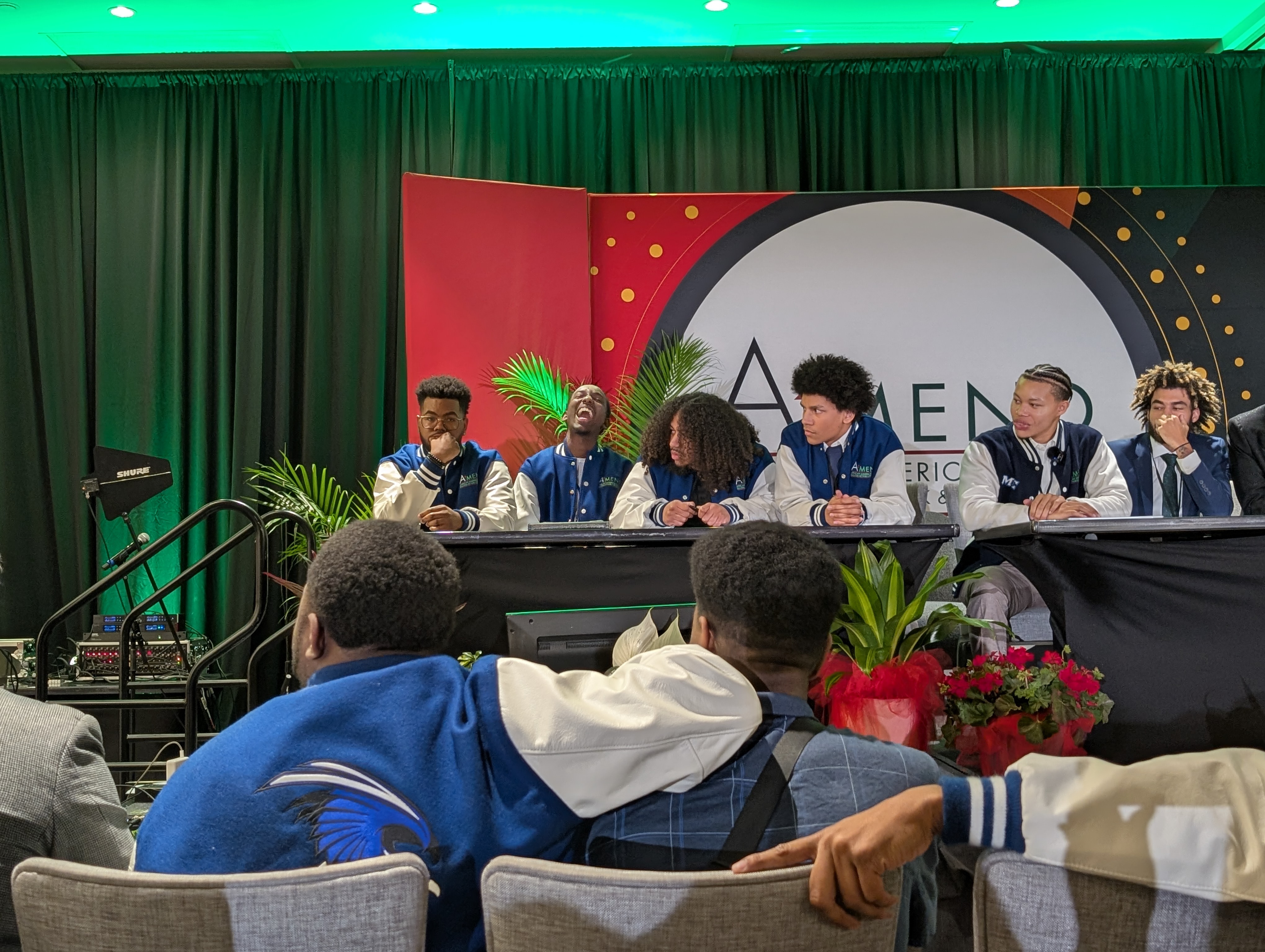
Solano will continue to maintain a position assigned to Black student outreach and recruitment, building on its ongoing partnership with A²MEND and its broader network of community-based organizations. Over the designation period, and in direct support of Strategic Plan Goal 1 (Equity in Success) and Goal 2 (Equity in Access), the College commits to:
- Expanding HBCU Tours, including Sacramento State’s Black Honors College, to reach additional partner institutions and a growing number of students each year, in continued collaboration with neighboring colleges, and building on the Strategic Plan’s Goal 1 commitment to expand campus tour opportunities and transfer center activities.
- Building out and promoting Dual Admission pathways with CSUs and UCs (Strategic Plan Goal 1, Outcome 2) with specific attention to increasing Black student participation and transfer completion.
- Deepening and formalizing dual enrollment partnerships with local school districts serving high concentrations of Black students — with particular emphasis on Vallejo City Unified School District, given its comparatively higher percentage of Black residents — aligned with Goal 2's commitment to continued outreach programming and collaboration with K-12 districts.
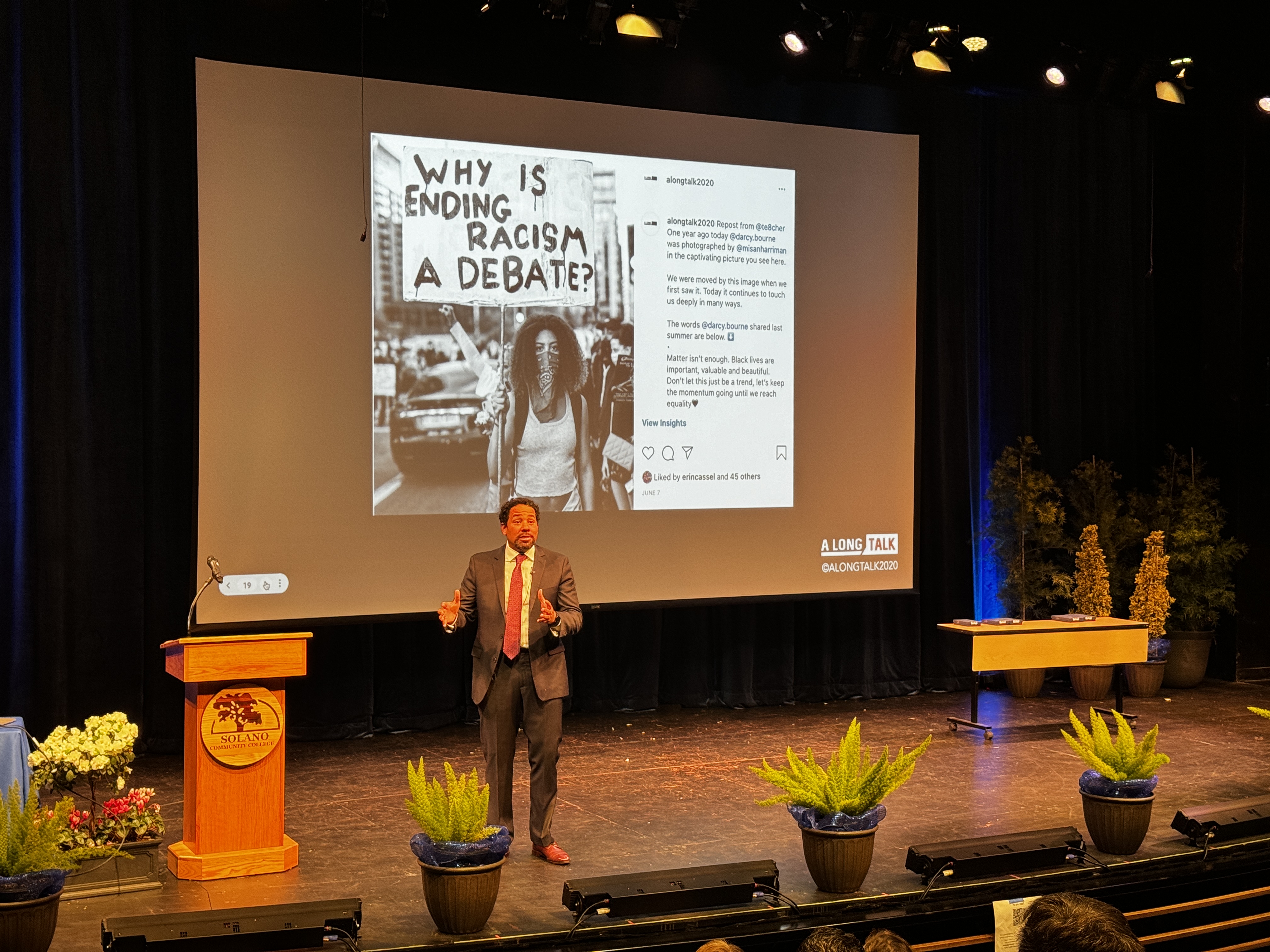
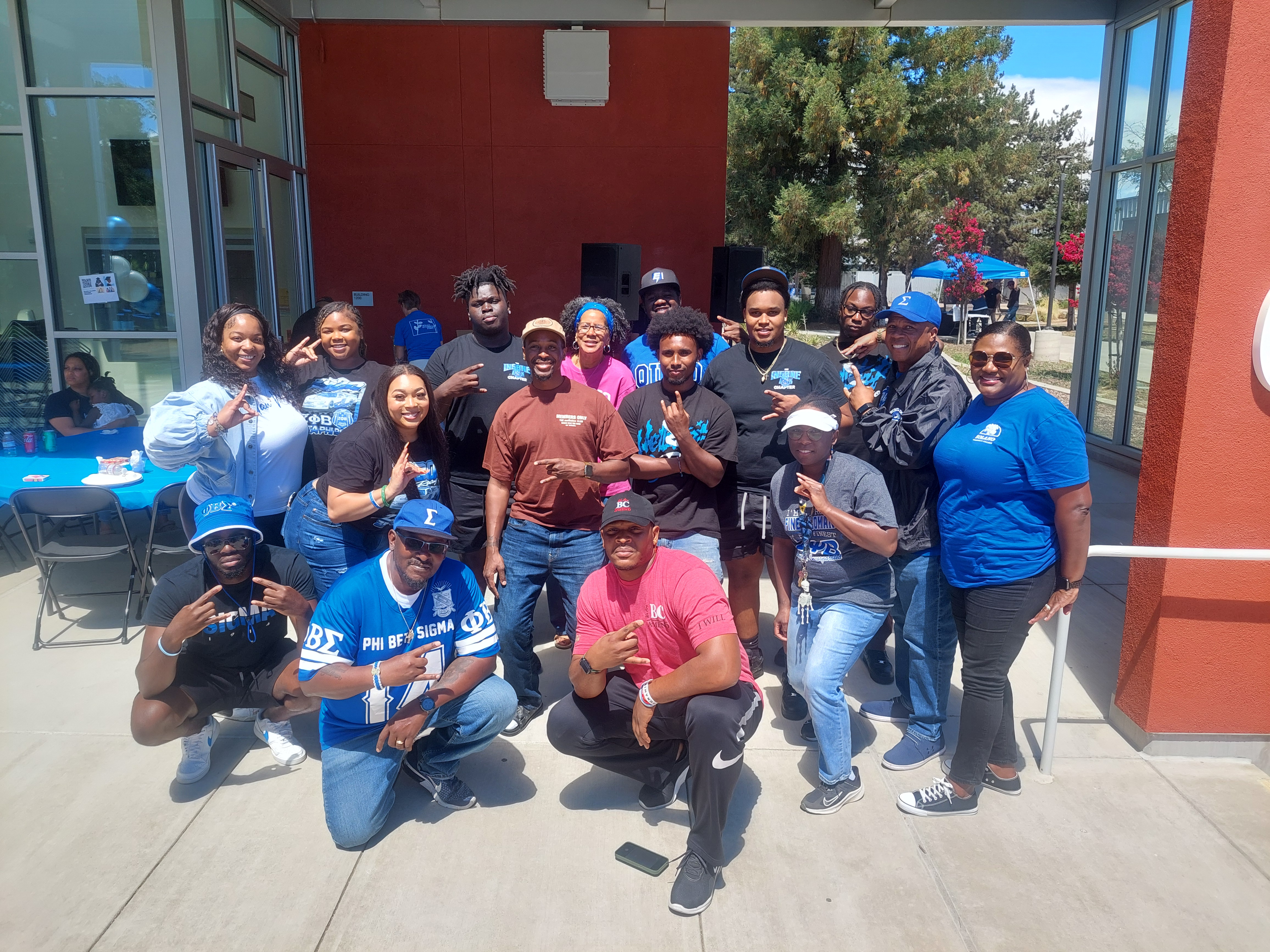
- Sustaining and growing signature engagement events —Black Family BBQ, Black Summer Bridge, Black365 Knowledge Bowl, and annual participation in the A²MEND Summit — as recurring, resourced fixtures of the College’s outreach calendar through 2031.
- Exploring new community partnerships to extend outreach beyond current organizations, building on the trust established with existing partners.
Solano will build on its existing network of culturally affirming, identity-conscious programs to expand and deepen support for Black students over the designation period, in direct support of Strategic Plan Goal 3 (Equity in Support).
Affinity-Based and Justice-Impacted Programs
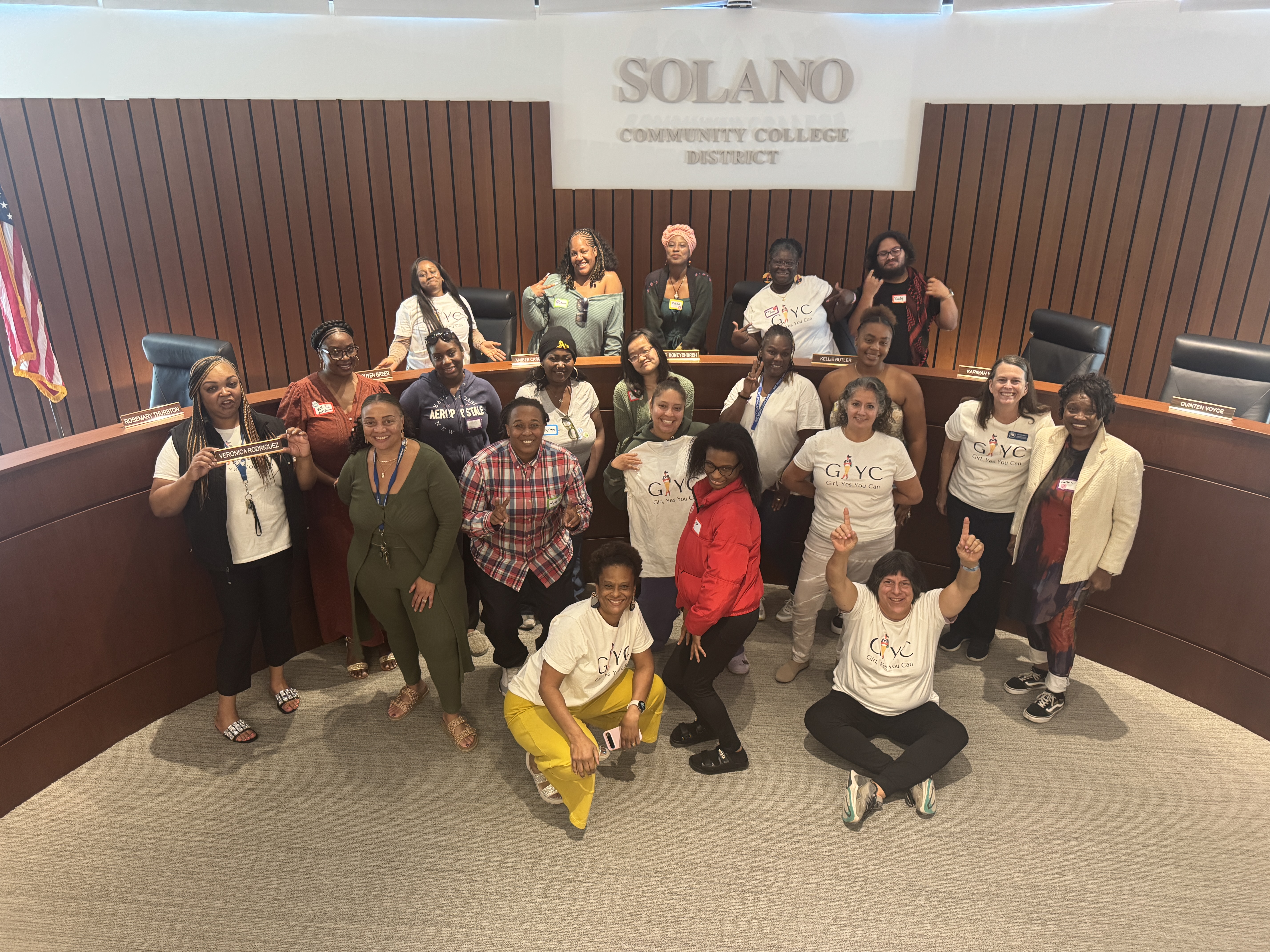
- Continue and expand A²MEND, Girl, Yes You Can!, S.O.A.R. (Students Overcoming Adversity and Recidivism), and NextUp, with a goal of increasing participation and case-management capacity across all four programs. Continue support for the student-led Black Student Union.
- Continue growing and strengthening the College's existing Rising Scholars partnerships, which enrolled 1,163 students, awarded 191 degrees, and inducted approximately 75 students into Phi Theta Kappa in Academic Year 2025–26 — a population disproportionately composed of men of color — at California Medical Facility (Vacaville), California State Prison, Solano (Vacaville), and the Solano County Juvenile Detention Facility (Fairfield), the latter supported through the College's Rising Scholars Network – Juvenile Justice Program grant from the California Community Colleges Chancellor's Office. Over the five-year period, the College commits to growing enrollment, degree completion, and Phi Theta Kappa induction participation, sustaining this state grant partnership, and deepening engagement at each site.
- Continue to develop and expand S.O.A.R. as a distinct re-entry program supporting students’ transition back into the campus community.
Academic Success Initiatives
- Grow the capacity and staffing of the Black Falcon Success Program — a cohort-based, case-management success program that pairs participating students with a dedicated academic counselor, in the tradition of statewide culturally responsive cohort programs. This includes sustained investment in EOPS counseling and Academic Success & Tutoring Center (ASTC) staffing, and an increase in the number of students with comprehensive education plans, consistent with Goal 3, Outcome 6.
- Expand STEM tutoring, currently offered within the Black Student Cultural Center, to additional subject areas and student cohorts.
- Continue Ethnic Studies, African American Literature, and History course offerings, and expand Teaching4Equity (T4E) faculty learning communities College-wide, building on T4E’s role as a named DEIA training resource under Goal 6, Outcome 13.
- Fully implement and institutionalize the College’s emerging student-centered service model, initially piloted in Fall 2026 through targeted student cohort and early intervention pilots, with a goal of scaling this integrated, student-centered approach across Student Services by the midpoint of the designation period, reorganizing resources and support to orbit around the student rather than institutional departments.
- Complete implementation of the College’s new customer relationship management (CRM) system, including its planned use for targeted FAFSA and financial-aid outreach campaigns (Goal 3, Outcome 5), and evaluate expanding AI-powered, real-time student support tools, currently piloted within Financial Aid, to additional service areas.
- Pursue approval for and, upon adoption, implement a gamified orientation platform to strengthen Guided Pathways practices in initial course selection (Goal 3, Outcome 6).
Basic Needs and Belonging
- Continue Falcon Flyer shuttle service connecting Solano’s three campuses, including the Vallejo Center, and evaluate route expansion as enrollment and campus needs evolve over the five-year period.
- Sustain and grow the Black Student Cultural Center as a hub for cultural engagement, community, and expanding academic support.
- Continue to expand the Office of Student Equity & Success’ capacity to address food, housing, technology, and childcare needs, and increase mental health, physical health, and student life/engagement resources consistent with Goal 3, Outcome 7.
D. Planned Allocation of Resources (2026–2031)
Over the 2026–2031 designation period, Solano Community College will prioritize the following categorical and general fund investments, modeled through the integrated planning and resource allocation framework established under Strategic Plan Goal 5 (Equity in Resource Allocation) — including incorporation of resource allocation requests with budget enhancement forms and the participatory, planning-based “out of cycle” expenditure process (Goal 5, Outcome 10):
- Dedicated resources to scale the integrated, student-centered service model from its Fall 2026 pilot cohorts to institution-wide practice.
- Sustained and expanded staffing for the Black Falcon Success Program, Black Student Cultural Center, and ASTC tutoring capacity.
- Continued programming, maintenance, and staffing of the Black Student Cultural Center, including expanded tutoring capacity.
- Continued Falcon Flyer transportation funding, with periodic review of route expansion.
- Technology investment to complete CRM and gamified orientation implementation and to evaluate expanding AI-powered student support tools.
- Continued funding for S.O.A.R. and Rising Scholars program development and expansion.
- Dedicated budget lines for affinity-based events, professional development, and student engagement efforts.
- A standing resource commitment to sustain Black students as an explicit SEAP focus population beyond the current plan’s 2028 expiration, ensuring no gap in dedicated resources at the plan’s midpoint.
These investments will be reviewed annually for impact and alignment with institutional goals and student outcomes, with a formal mid-point review in 2028–29 to align this plan with the College’s next Student Equity & Achievement Plan cycle, consistent with the Strategic Plan’s own requirement (Goal 7, Outcome 15, Activity 1) that the upcoming Student Equity plan align with Strategic Plan vision and targets.
Professional learning will remain central to the College’s strategy for institutional transformation throughout the designation period. This work directly supports Strategic Plan Goal 6 (Equity in Employee Recruitment, Retention, and Development), Outcome 13, which sets a target of 50% of all permanent classified employees annually engaging in at least one DEIA professional development opportunity:
- Continue and expand Teaching for Equity (T4E), the faculty-led initiative rooted in anti-racist pedagogy, as a named campus DEIA resource under Goal 6, Outcome 13.
- Sustain the President’s DEI Advisory Council’s role in guiding equity strategy and race-conscious decision-making.
- Continue and formalize external partnerships — including engagements with Dr. Regina Stanback Stroud (RSS Consulting) and other national equity leaders — as recurring, resourced engagements rather than one-time events.
- Aligning expanded professional development offerings with the DEIA priorities established in the Strategic Plan 2026–2029 and supporting progress toward the Goal 6, Outcome 13 participation target, ensuring faculty and staff continue building cultural fluency and tools to confront anti-Black racism throughout the five-year period.
Over the 2026–2031 designation period, Solano Community College commits to deepening its holistic, data-informed, and community-rooted approach to advancing Black student success, in direct alignment with and support of the College’s Strategic Plan 2026–2029. Building on the recognition it has already earned — including an invitation from the Research and Planning Group for California Community Colleges (RP Group) to participate in the statewide African American Student Transfer Tipping Point research project, and progress reflected in the College’s 2025–2028 SEAP data review, Solano commits to sustained, intentional investment, meaningful representation and leadership at every level, and an expanding, accountable infrastructure of support. With these commitments, the College is prepared to uphold the responsibilities of a California Black-Serving Institution through 2031 and to serve as a model of inclusive excellence for the full five-year designation period.
BSI Data at Solano Community College